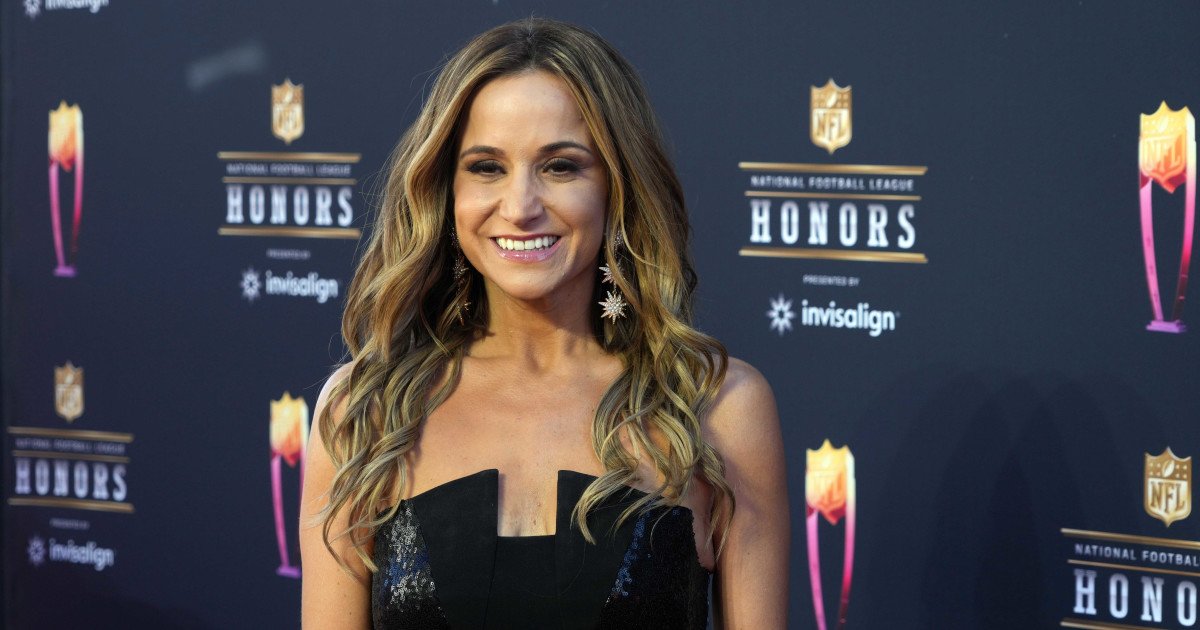
The relationship between NFL insiders and passionate fanbases can be a delicate dance, and Philadelphia Eagles supporters are currently leading a revolt. The target of their frustration? The Athletic's Dianna Russini, whose persistent reporting on a potential A.J. Brown trade has ignited a firestorm of criticism from the City of Brotherly Love.
The Report That Lit the Fuse
Throughout the recent season and into the offseason, Russini maintained that star wide receiver A.J. Brown's future in Philadelphia was uncertain. She specifically named the Los Angeles Rams and New England Patriots as potential landing spots, fueling speculation that a blockbuster move was brewing. "A.J. Brown trade discussions are not dead," Russini reported, noting that the Rams had discussed a deal before pivoting to another acquisition and continued to monitor the three-time Pro Bowler.

However, the narrative shifted dramatically just hours later. Russini followed up with a report stating that, despite serious conversations with both the Rams and Patriots, the Eagles would not be trading Brown at this time. While both teams reportedly remain interested, no move is imminent, with any potential action likely delayed until after June 1st.
Eagles Fans Unleash on Social Media
The immediate aftermath was a masterclass in fan fury. Eagles faithful flooded social media platforms, accusing Russini of manufacturing drama for clicks. One fan pointedly noted, "It’s almost like the contract made it obvious he wouldn’t be traded before June 1st, but that didn’t fit with the need of NFL media to generate clicks." Others were less diplomatic, with comments like "clickbait Russini strikes again" and "all this BS is media driven. And it started with this reporter right here." The sentiment was clear: fans felt the reporting was more about generating headlines than reflecting the logistical reality of the situation.
Why a Brown Trade Was Always a Long Shot
The fan backlash isn't without a solid foundation in cold, hard financial facts. The Eagles' reported asking price—a first-round and a second-round pick—is steep. But the real anchor keeping Brown in Philadelphia is a monstrous $43.5 million dead money charge. As detailed by salary cap expert Michael Ginnitti of Spotrac, trading Brown early this offseason would force the Eagles to absorb the fourth-largest single-season dead cap hit in NFL history. This financial reality makes any pre-June 1st trade virtually impossible, a point fans felt was glossed over in the initial speculative reports.
This situation echoes other high-stakes dramas in Philadelphia, like when the team was nearing a pivotal decision on Brown's future. It also intersects with broader league narratives, such as when analysts suggested the Ravens use assets from a potential Maxx Crosby trade to chase A.J. Brown.
The Bigger Picture: NFL's Rumor Mill vs. Fan Patience
This episode highlights the growing tension between the NFL's 24/7 news cycle and a fanbase's tolerance for speculation. For Eagles fans, who have endured their share of offseason drama, the constant rumors surrounding a cornerstone player like Brown are exhausting. The cycle of report, speculation, and clarification leads to accusations of "clickbait" and erodes trust between media and the audience.
While the Rams' interest was documented, as seen when they were eyeing a blockbuster move for the Eagles star, the ultimate outcome often hinges on these complex financial mechanisms. Furthermore, the Eagles' own strategy seems fluid, as reports later indicated they slashed A.J. Brown's asking price, showing how quickly narratives can change.
What's Next for Brown and the Eagles?
For now, A.J. Brown remains an Eagle, and the June 1st deadline looms as the next potential inflection point. The saga serves as a reminder that in the modern NFL, a player's future is dictated as much by the salary cap as by talent or team needs. While insiders like Russini will continue to report the whispers from league sources, this incident proves that the most vocal critics might just be the millions of fans watching from home, armed with cap figures and a low tolerance for what they perceive as noise.
Whether this cools Russini's reporting on Philadelphia or simply adds another chapter to the city's legendary sports media relationship remains to be seen. One thing is certain: in Philadelphia, the fans are always watching, and they're not afraid to call the play.