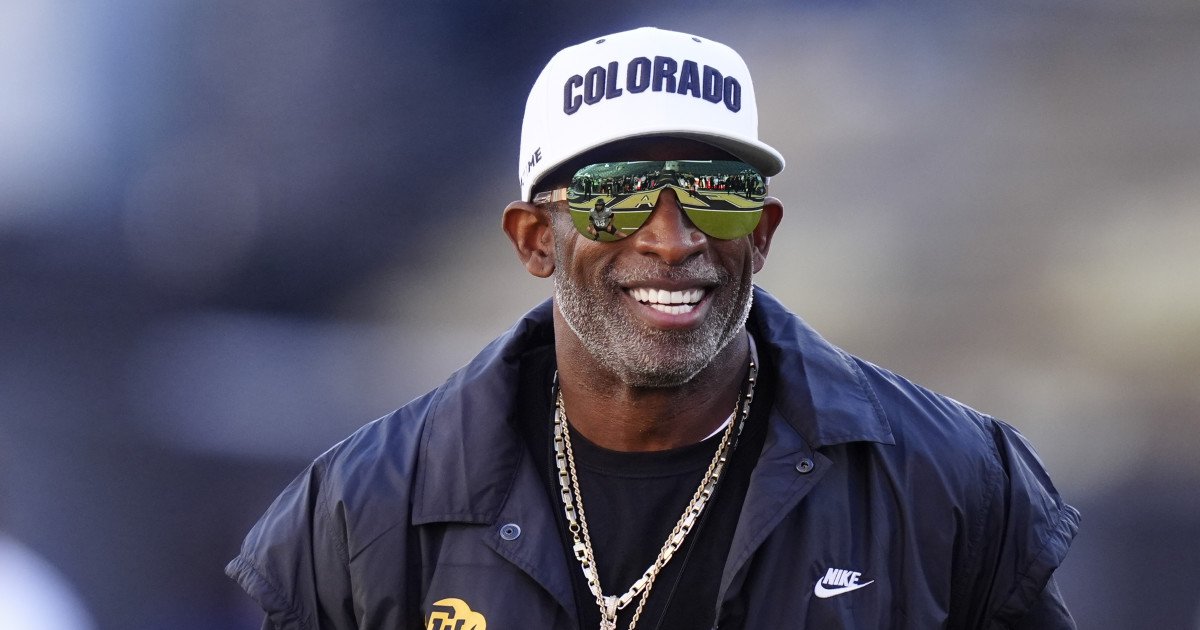
Boulder is buzzing once more, and the source of the commotion is none other than Coach Prime. In a move that underscores his unconventional approach to building a program, Deion Sanders has declared that the Colorado Buffaloes will enter the 2026 college football season without a designated special teams coordinator. This decision follows the offseason dismissal of last year's coordinator, Michael Pollock, and signals a bold shift in how the Buffaloes will manage a critical phase of the game.
"We got three new coordinators?" Sanders quipped to reporters last week, before dropping the news. "We don't have a special teams coordinator." The statement wasn't a joke. Instead of filling the vacant role, Sanders is implementing a collaborative model where responsibility for special teams will be distributed among multiple position coaches.
A Committee Takes the Reigns
So, who will handle punts, kicks, and returns? According to analysis from Uncle Neely of Thee Pregame Show, new tight ends coach Josh Niblett is expected to be the point person, but he won't be working alone. "What he’s taken in this approach is more ownership as far as the coaches that you depend on to feed into special teams," Neely explained. "The guys who coach the defensive backs, the guys who coach the tight ends, the guys who coach the linebackers, etcetera, they’re all now having a say."
This strategy essentially creates a special teams committee, leveraging the expertise of coaches already deeply familiar with the roster's personnel. It's a gamble that asks more from Sanders's staff but could foster greater unit-wide accountability.
Is This Strategy Really That Radical?
While ditching a coordinator might raise eyebrows, history suggests it's not as rare in the college ranks as one might think. Research indicates that Colorado has employed a full-time special teams coordinator less than half the time since 1990. More compellingly, the Buffaloes have recent proof of concept: the 2024 squad famously operated without a dedicated ST coordinator and proceeded to have one of its best seasons in years, finishing with a 9-4 record.
This precedent is likely a cornerstone of Sanders's confidence. The success of that 2024 team proves the model can work in Boulder, providing a tangible blueprint for the 2026 staff to follow. It turns a seemingly risky proposition into a calculated return to a winning formula.
The move is part of a broader staff overhaul for Sanders this offseason, as he continues to mold the program in his unique image. It reflects a philosophy that values adaptability and shared responsibility over traditional, rigid coaching structures. As the sports world reacts, many are watching other programs to see if this becomes a trend, much like the evolving strategies seen in other sports decisions, such as Travis Kelce's pending choice on his NFL future.
Of course, not all coaching news is about innovation. The college football world is also reflecting on legacy, recently mourning the loss of a true icon. The passing of Lou Holtz reminded everyone of the profound and lasting impact a coach can have, a standard against which all modern decisions are subtly measured.
Will Coach Prime's coordinator-less experiment pay off? Only the 2026 season will tell. But one thing is certain: Deion Sanders remains committed to doing things his way, keeping Colorado football at the center of the national conversation. Whether it's a masterstroke or a misstep, it's undeniable Prime Time drama.