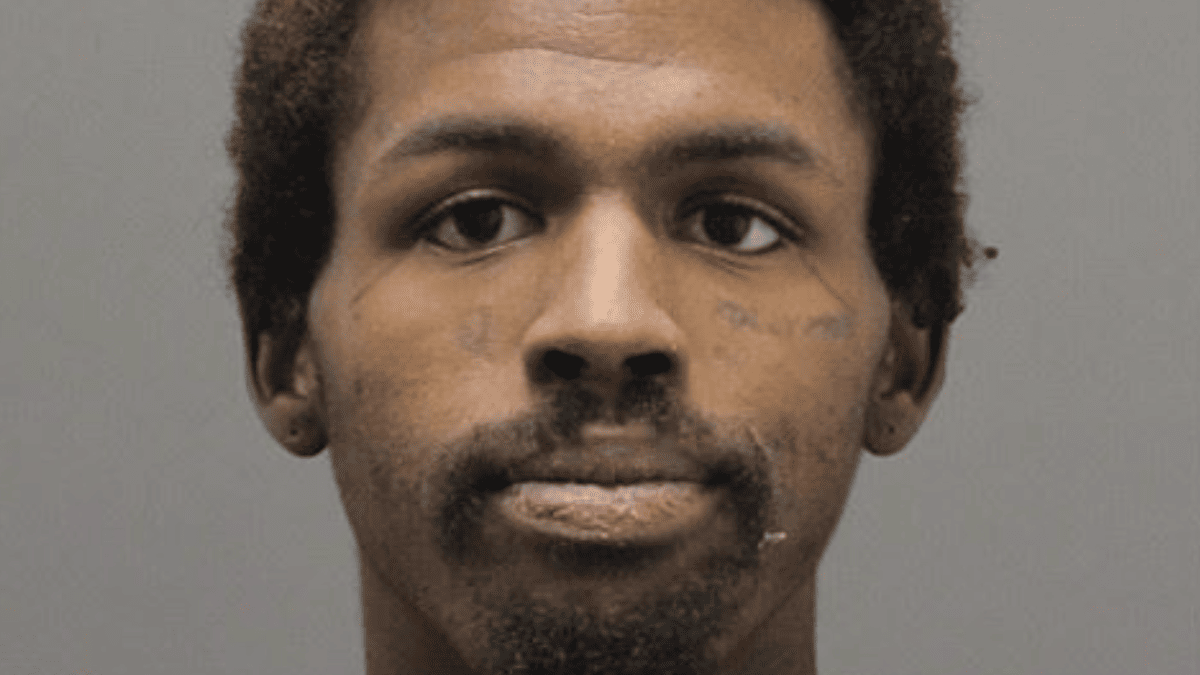
The sports world received a jolt this week with news that former NFL standout Darren Sharper has been transferred from federal prison to community confinement in Baltimore. The five-time Pro Bowler and Super Bowl champ, once celebrated for his ball-hawking skills, is now serving the remainder of his sentence in a halfway house or home detention.
Sharper, 48, was sentenced in 2016 to 18 years behind bars after pleading guilty to drugging and sexually assaulting women in multiple states between 2011 and 2014. His victims came forward in Arizona, Las Vegas, New Orleans, and West Hollywood, painting a grim picture of a predator who used his NFL fame to lure and incapacitate women.

A spokesperson for the U.S. Bureau of Prisons confirmed the move to the Guardian, stating Sharper is now in “community confinement” in Baltimore. That could mean he’s living in a residential re-entry center—commonly called a halfway house—or under home confinement. Specific location details remain under wraps, as the BOP typically keeps such information private for safety reasons.
Sharper’s projected release date is December 27, 2028. He has already spent over a decade in custody, including time served before his formal sentencing. The transfer marks a significant step in his reentry into society, though it also stirs fresh debate about accountability for athletes convicted of violent crimes.
During his NFL career, Sharper was a dominant force. He racked up 949 tackles, 63 interceptions, and nine forced fumbles while playing for the Green Bay Packers, Minnesota Vikings, and New Orleans Saints. In 2009, he led the league in picks and helped the Saints capture their first Super Bowl title. Those achievements now stand in stark contrast to his criminal record.
This case echoes broader conversations about how sports leagues handle off-field misconduct, especially when it involves star players. Sharper’s fall from grace remains one of the most jarring in NFL history, a reminder that athletic glory can mask deep flaws.
As Sharper adjusts to life outside prison walls, the NFL community continues to grapple with the legacy of a player whose on-field heroics will forever be overshadowed by his crimes. His halfway house stint is a quiet chapter in a story that’s far from over.