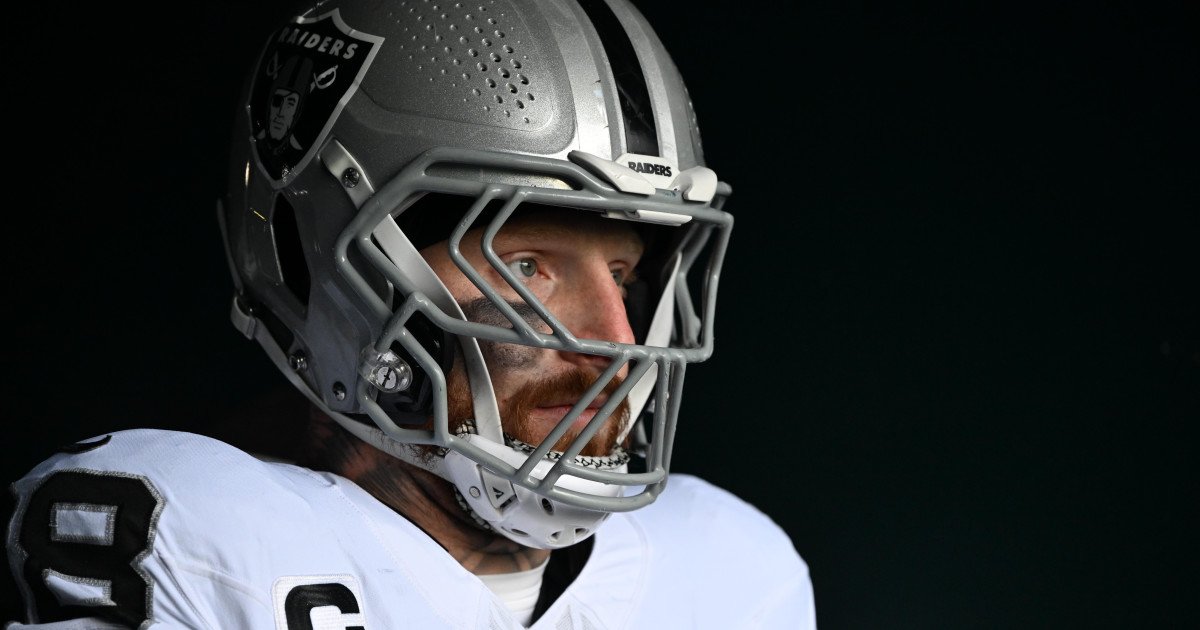
The NFL's legal tampering period, a frenzied few days of deals and rumors, has just been rocked by a seismic event that could change the league's offseason forever. The catalyst? The stunning collapse of a blockbuster trade that would have sent Las Vegas Raiders star Maxx Crosby to the Baltimore Ravens.
In a move that sent shockwaves through the league, the Ravens agreed to send two first-round picks to Las Vegas for the Pro Bowl edge rusher, only to reportedly back out after reviewing Crosby's medicals. Crosby battled a knee issue for much of last season, ultimately missing the final two games. Now, the superstar pass rusher finds himself in an awkward reunion with the Raiders, his future suddenly clouded in uncertainty.

Fans Demand Offseason Rulebook Rewrite
The immediate fallout is messy, but the long-term implications have the football world buzzing. Fans and analysts alike are predicting the league will be forced to re-examine its entire offseason calendar in the wake of this debacle.
"Prediction: this Maxx Crosby situation will lead to the end of the 'legal tampering period,'" declared Harrison Graham of ChatSports. "The domino effect of this is just way too massive. Hundreds of players have agreed to deals, so teams that could’ve traded for Crosby can’t now unless they wanna screw over players they’ve agreed to sign."
The sentiment was echoed across social media, where outrage and calls for reform exploded. "Draft picks should be taken away from the Ravens. This is not fair at all for the Raiders or any other team on the opposite end," one fan argued. Another simply stated, "Good it should and trades should not be announced until physicals are passed." The consensus is clear: the current system is broken. As one user bluntly put it, "yeah, there is definitely going to be some kind of rule change after this."
Raiders Left in a Precarious Position
For the Raiders, the situation is a nightmare. Having publicly agreed to trade their best defensive player, they now have to welcome him back into the fold while knowing his market value may have taken a significant hit. The agent's fiery response to the Ravens' decision only adds another layer of drama to an already tense locker room dynamic.
This leaves Las Vegas vulnerable to lowball offers from other teams who now know the Raiders were ready to move on. It also complicates their entire team-building strategy, forcing them to either mend a potentially fractured relationship with Crosby or seek a trade under less-than-ideal circumstances. Meanwhile, other teams are already circling, with reports suggesting the Eagles have emerged as a top contender to land the disgruntled star.
A Domino Effect Across the League
The ripple effects extend far beyond Las Vegas and Baltimore. The Ravens' sudden about-face has sent other franchises scrambling to adjust their plans. For instance, the Colts' entire free agency blueprint was reportedly blown up by the trade's collapse, leaving them to pivot at the last minute.
This incident exposes a critical flaw in the NFL's offseason timeline. Teams can agree to terms with free agents during the legal tampering window and agree to trades, but official signings and completed trades often hinge on passing a physical—a step that comes later. The Crosby saga shows how a failed physical can unravel not just one deal, but an entire web of interconnected moves across the league.
While the NFL is always looking at ways to tweak its schedule, including potential new primetime games, this controversy strikes at the core of how business is conducted. The league may now face immense pressure to restructure the offseason, potentially moving the physical examination process earlier or creating stricter penalties for backing out of agreed-upon trades.
For now, Maxx Crosby remains a Raider, but the damage is done. The trust between player and team is tested, and the trust in the league's system is shattered. One thing is certain: the echo of this failed trade will be heard in NFL front offices for years to come, likely serving as the catalyst for the next major overhaul of the offseason rulebook.