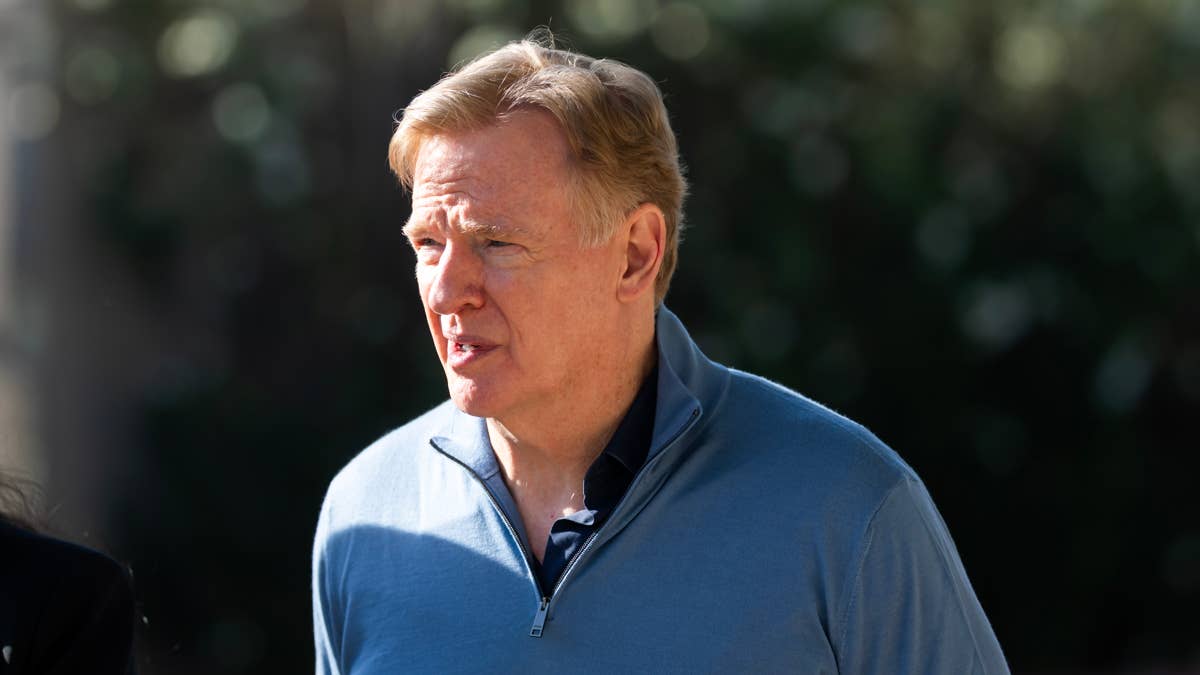
The U.S. House Judiciary Committee has officially called NFL Commissioner Roger Goodell to testify, putting the league's media rights practices under the congressional microscope. Representative Jim Jordan (R-OH), who chairs the committee, sent a letter to Goodell on Monday requesting his appearance at a June 10 hearing focused on how the NFL's broadcast deals impact fans' wallets.
This isn't Goodell's first trip to Capitol Hill—he's testified before about concussions and workplace culture—but this hearing zeroes in on a modern sports headache: the skyrocketing cost of watching games. The Department of Justice is already investigating whether the NFL's media distribution model violates the Sports Broadcasting Act, a 1961 law designed to ensure fans could watch their home teams for free on over-the-air TV.

The Core Complaint: Fragmentation and Fees
Jordan didn't mince words when explaining the issue. “Back when the Sports Broadcast Act was passed, the promise was you'll get to watch every one of your team's games for free,” he told ESPN.com's Dan Murphy. “Things have changed dramatically since 1961.” He added that the NFL's ability to negotiate collectively with cable companies and streaming services like Amazon Prime raises serious antitrust questions.
The league has spread its games across a patchwork of networks—CBS, Fox, NBC, ESPN, NFL Network, Amazon Prime, and soon Netflix for Christmas games—forcing fans to pay for multiple subscriptions to follow their favorite teams. That fragmentation is at the heart of the DOJ's probe, which launched in April.
NFL Fires Back: 'Most Fan-Friendly Model'
Goodell and the NFL have pushed back hard. In a statement responding to the DOJ investigation, the league defended its approach: “The NFL's media distribution model is the most fan and broadcaster-friendly in the entire sports and entertainment industry. With over 87% of our games on free, broadcast television, including 100% of games in the markets of the competing teams, the NFL has for decades put our fans front and center in how we distribute our content.”
Goodell echoed that sentiment earlier this year, saying, “We've been surviving and thriving on the basis of being available to the broadest audience.” But critics argue that the rise of streaming-exclusive games—like Thursday Night Football on Amazon—contradicts that claim. For context, Goodell has also weighed in on the Bears' stadium situation, showing his fingerprints are all over league business decisions.
A Familiar Script: Congress vs. the NFL
This isn't the first time the NFL has faced federal heat over its business practices. Goodell testified in 2009 about the league's handling of concussions and again in 2022 regarding the toxic workplace culture under former Washington Commanders owner Dan Snyder. Now, the focus shifts to media rights—a topic that affects every fan who's ever grumbled about a cable bill.
The hearing also comes amid broader congressional scrutiny of sports economics. Just recently, lawmakers introduced a bill targeting gambling ads aimed at kids, signaling that Washington is taking a harder look at how sports leagues make money. For the NFL, which rakes in billions from TV deals, the stakes couldn't be higher.
What's Next?
Goodell's testimony on June 10 could shape the future of how Americans watch football. If the DOJ or Congress finds the NFL violated the Sports Broadcasting Act, the league might be forced to change its media strategy—potentially lowering costs for fans. But the NFL is dug in, arguing its model is both legal and fan-friendly.
For now, all eyes are on Capitol Hill. And for a commissioner who's no stranger to controversy, this hearing promises to be another high-stakes showdown.