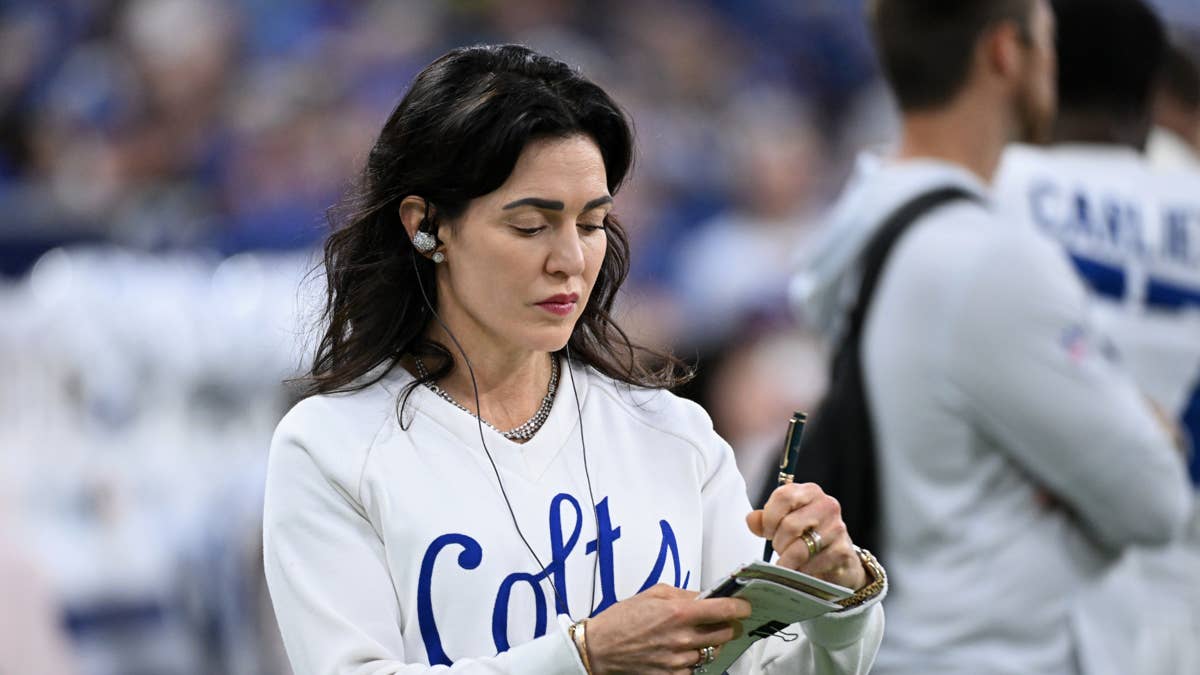
Indianapolis Colts owner Carlie Irsay-Gordon isn't backing down. After facing fresh criticism for her animated sideline presence during Sunday night's overtime loss to the Kansas City Chiefs, she has a simple message for the doubters: it's her team, and she'll do what she wants.
Gordon, who took control of the franchise after the passing of her father, Jim Irsay, has become a familiar sight on the sideline—headset on, notepad in hand, pacing the turf with the intensity of a coach. Her latest display, captured by cameras as the Colts fell in heartbreaking fashion, reignited a debate that has simmered for years: is the owner helping or hurting?
Some reporters and former NFL executives have labeled her a distraction, suggesting her presence undermines the coaching staff. But Gordon, in a recent interview with the team's official website, made it clear she doesn't see it that way—and she's not about to change.
“I think one of the things that I learned in going through, even as back as when we hired Chuck Pagano (in 2012), is that sort of accelerated my, ‘I need to learn more about this,'” she said. “I need to be able to say, is this person full of BS? Do they even know what they're talking about?”
That quest for knowledge led her to the headset, where she says she's gained a deeper understanding of the game's complexities. “It's such a complex organism of football team and how it operates,” she explained. “You could say, ‘Oh, that person ran that route wrong.' When you learn to find, ‘Oh, someone tagged the wrong wide receiver, and it wasn't really the player's fault—it was the person that called it.'”
That insight, she argues, translates directly into better decision-making at the ownership level. “It also helps us be able to know where do we need to make tweaks, what resources do we need, what do we need to fix. So much of it comes down to just how we operate and how things work and the headsets—I would suggest it for anyone else that has to pay coaches and GMs millions and millions of dollars. It helps you make a less expensive mistake potentially.”
The debate over sideline involvement for owners isn't new, and Gordon's approach has drawn both praise and pushback. But she remains unapologetic. After all, as she points out, she's the one signing the checks.
“Fair or foul, it's her team,” one league insider noted. “And she's paying them millions of dollars per year, so she's not going to stop.”
For fans who love the passion, it's refreshing to see an owner so deeply invested. For critics, it's an overstep. But Gordon's message is clear: she's learned too much to walk away now.