College football has always been a sport that wears its heart on its sleeve. The pageantry, the passion, the sheer lunacy of a stadium shaking on a Saturday afternoon—it's a bond between the game and its people that few other sports can match. But lately, it feels like that bond is being tested, and not in a good way.
The latest evidence? A growing push from the sport's power brokers to blow up the College Football Playoff from 12 teams to a whopping 24. And if you think that's about giving more teams a shot at glory, think again. It's about one thing: money.
Fans have been loud and clear: they don't want this. Social media is ablaze with frustration. "I used to love college football…ESPN Gameday, history and tradition, season-altering upsets, every game being critical, epic recruiting battles…all of this is now being flushed down the toilet just to make a few more bucks. It's actually sad. Greed devours," one fan lamented. Another warned, "They think college football is impenetrable. Impossible to fail. They're wrong."
Yet, the train seems to have left the station. An industry leader told Yahoo! Sports, "If we can get a decent (TV) deal, we are definitely going to 24." That's the mindset: TV deal first, fans last.
Expanding to 24 teams would fundamentally change what makes college football so special. The regular season, already diluted by conference realignment and super-conferences, would lose even more of its drama. Why tune in for a September showdown when a three-loss team can still waltz into the playoff? The stakes, the urgency, the "every game matters" ethos—it all evaporates.
And let's not pretend this is about giving more schools a chance. Early-round games would likely be played at neutral sites, with tickets that many fans can't afford. "How many fans can afford to attend these games? The early round games not on a campus will be half filled," one fan pointed out. That's not a playoff; that's a cash grab.
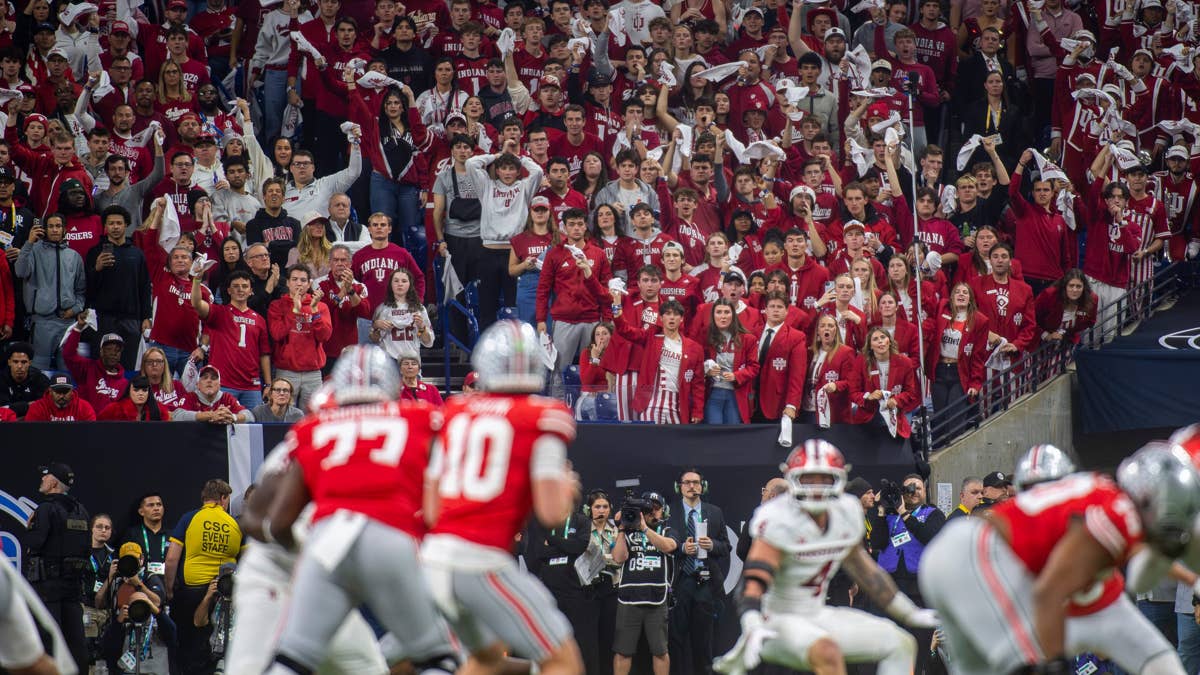
The irony is that college football's leaders seem to be ignoring the very people who make the sport worth watching. The same fans who fill 100,000-seat stadiums, who paint their faces and tailgate for days, are being told their opinions don't matter. The recent GameDay wedding segment backlash is just another example of how the sport's powers are out of touch with what fans actually want.
This isn't just about playoff expansion. It's part of a broader trend where tradition is being traded for TV dollars. The early-season TV ratings stumble should be a warning sign, but instead, the response is to chase even more money with a bigger playoff. And while some insiders dream of the coaching carousel spinning wildly, the fans are left wondering if anyone in charge is listening.
The bottom line is simple: college football doesn't care about the fans. It cares about the bottom line. And until that changes, the sport we love will keep bleeding its soul, one expansion at a time.