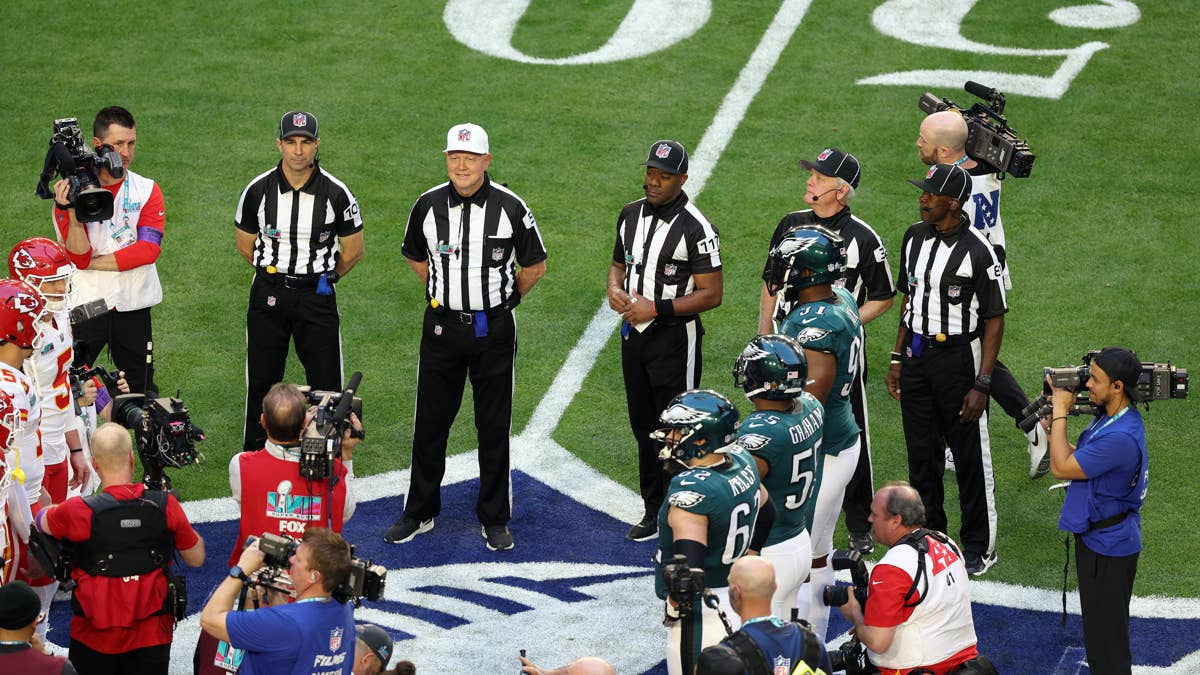
Three overtime games into the 2026 NFL season, and the coin toss has become a booby prize. Win the flip, lose the game — that's been the bizarre pattern so far, and it's turning conventional wisdom on its head.
Let's start in Week 1, when the New Orleans Saints took the Detroit Lions to extra time. The Saints won the toss and elected to kick, banking on their defense to get a stop. Instead, Detroit marched down the field for a touchdown and the extra point. New Orleans answered with a touchdown of its own but rolled the dice on a two-point conversion for the win. The gamble backfired, and the Saints fell 31-30.
Week 2 brought more of the same. The New York Jets, fresh off a fourth-quarter collapse against the Green Bay Packers, won the toss and chose to receive, hoping to seize back momentum. Instead, they went three-and-out, punted, and watched Aaron Rodgers and Co. slice through for a game-winning field goal. Final score: Packers 20, Jets 17.
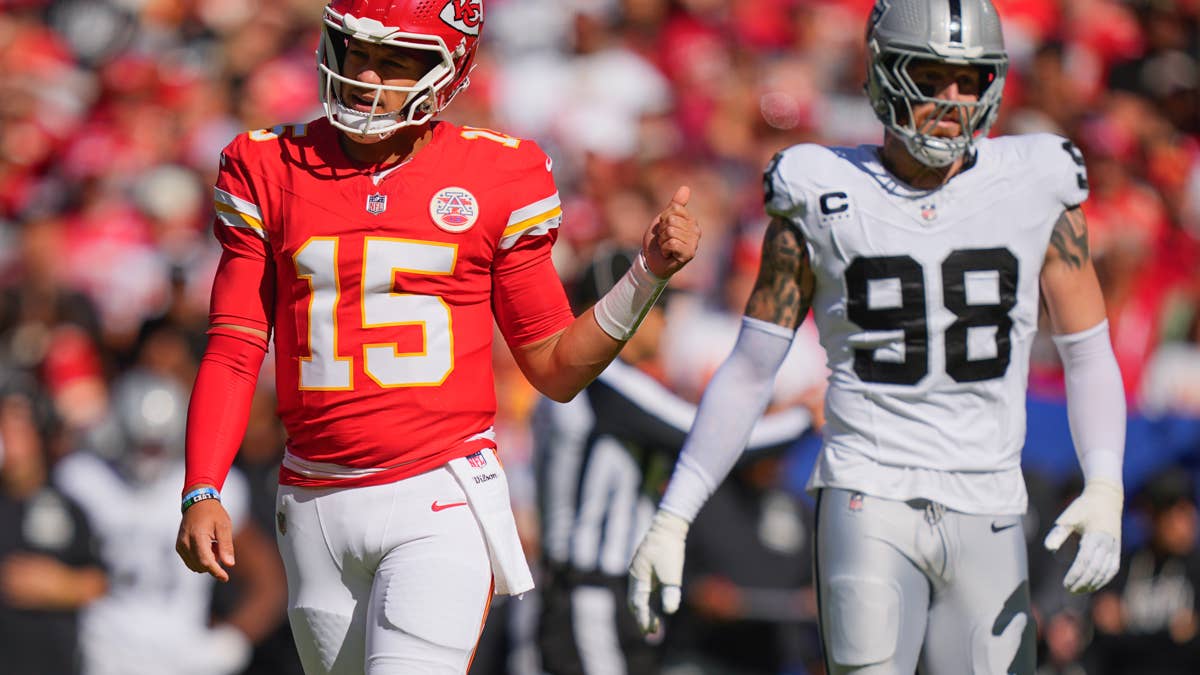
Then came Sunday night's thriller between the Kansas City Chiefs and Indianapolis Colts. The visiting Colts won the toss and elected to kick, a decision designed to keep Patrick Mahomes from enjoying four-down territory on the opening possession. The teams traded field goals, but Kansas City eventually sustained a drive on its second possession and booted the game-winner for a 33-30 victory.
So why is the coin toss suddenly a curse? Blame the NFL's evolving overtime rules. In 2025, the league guaranteed both teams a possession regardless of whether the opening drive ends in a touchdown. That change — which followed the infamous Chiefs-Bills playoff classic — forced coaches to rethink their overtime strategy entirely.
In the old days, winning the toss was practically a win guarantee: score first, go home happy. Then the league tweaked things to ensure the other team got a chance unless a touchdown was scored. Now, with both teams assured a possession, the calculus has shifted again. Kicking off isn't just a defensive move; it's a chess match.
But here's the thing: the coin toss isn't the real culprit. Execution is. The Saints failed on a two-point conversion. The Jets couldn't move the chains. The Colts couldn't stop Mahomes when it mattered. Winning the toss doesn't block, tackle, or throw — players do.
As the season wears on, coaches will keep tweaking their overtime approaches. Maybe the coin toss winner will start stringing together wins. Or maybe the curse is real. Either way, the NFL's new overtime era is delivering drama, second-guessing, and plenty of heartbreak for teams that thought luck was on their side.