March Madness is built on the dream of the underdog, but a cold, hard statistic is crashing the party. If you're filling out your bracket based on gut feelings and dark horses, you might want to listen up. Over the last 18 years, the NCAA Tournament has followed a rule so consistent it's almost boring: to cut down the nets, you almost certainly need to be a No. 1 seed or the UConn Huskies.
The jaw-dropping fact, highlighted by Big Cat on Barstool Sports' "Pardon My Take," is that 17 of the last 18 national champions fit that exact profile. This isn't just a quirky trend; it's a blueprint that has dominated modern college basketball history, suggesting that true Cinderella stories are far rarer than the chaos of the first weekend implies.

The Lone Exceptions to the Rule
Only two teams in nearly two decades have broken this mold. The 2016 Villanova Wildcats, a No. 2 seed, delivered one of the most iconic finishes in tournament history with Kris Jenkins' championship-winning three-pointer against North Carolina. While not a No. 1, Jay Wright's squad was a powerhouse that entered March with clear title credentials.
The only real seismic upset came in 2014, when Kevin Ollie guided a No. 7 seed UConn team on a magical run, slaying giants like No. 1 Florida and No. 4 Michigan State. That run stands as a glorious, but massive, outlier in a sea of predictability at the very top.
What History Says About Your 2026 Bracket
So, what does this mean as you pencil in your picks? If history is your guide, your champion should almost certainly come from the group of No. 1 seeds: Arizona, Duke, Florida, and Michigan. Betting against this trend is a high-risk gamble that has busted millions of brackets by the Final Four.
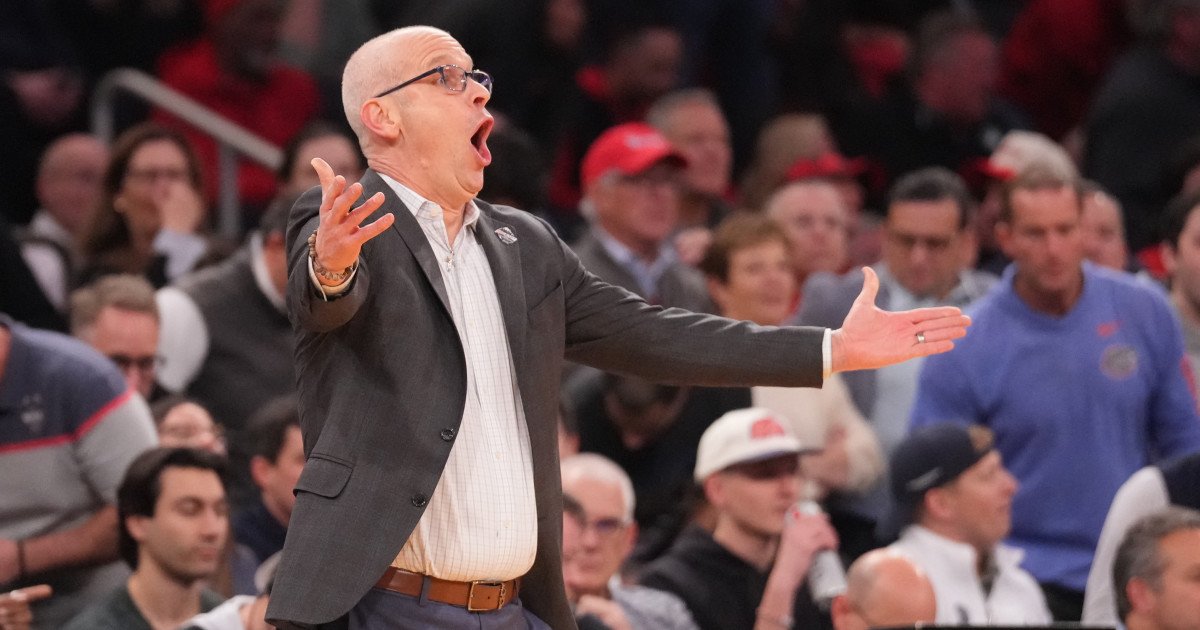
Of course, the "or UConn" clause is crucial. The Huskies, a No. 2 seed this year, are perennial contenders under Dan Hurley, who has already proven he can lead two different squads to a championship. Picking them wouldn't exactly be going out on a limb, given their pedigree and this historical data.
This pattern forces us to question the very essence of March Madness strategy. While early-round upsets are a guarantee, the last team standing almost always comes from the sport's elite tier. It's a reminder that depth, talent, and coaching—qualities that earn top seeds—ultimately prevail in the six-game grind. For more on what makes a true champion, check out our analysis on the teams with real championship DNA.
A Broader Look at Tournament Trends
This champion-centric trend is part of a larger conversation about parity and predictability in college sports. While the women's tournament has seen its own dynasties, the men's side has created a fascinating tension between first-weekend chaos and final-weekend chalk. It's a dynamic that keeps fans glued to their screens, even if the final outcome often feels familiar.
As the tournament tips off, this stat is the ultimate bracket sanity check. You can still ride with a sentimental favorite for a round or two, but when it comes to crowning a champion, the numbers don't lie. The path to glory is overwhelmingly paved by a No. 1 seed—or a program like UConn that operates like one. For a different perspective on tournament planning, see why some coaches are demanding schedule changes to level the playing field.
So, before you submit that bracket filled with long shots, remember the weight of history. The madness has a method, and it's pointing you squarely toward the top of the seed list.