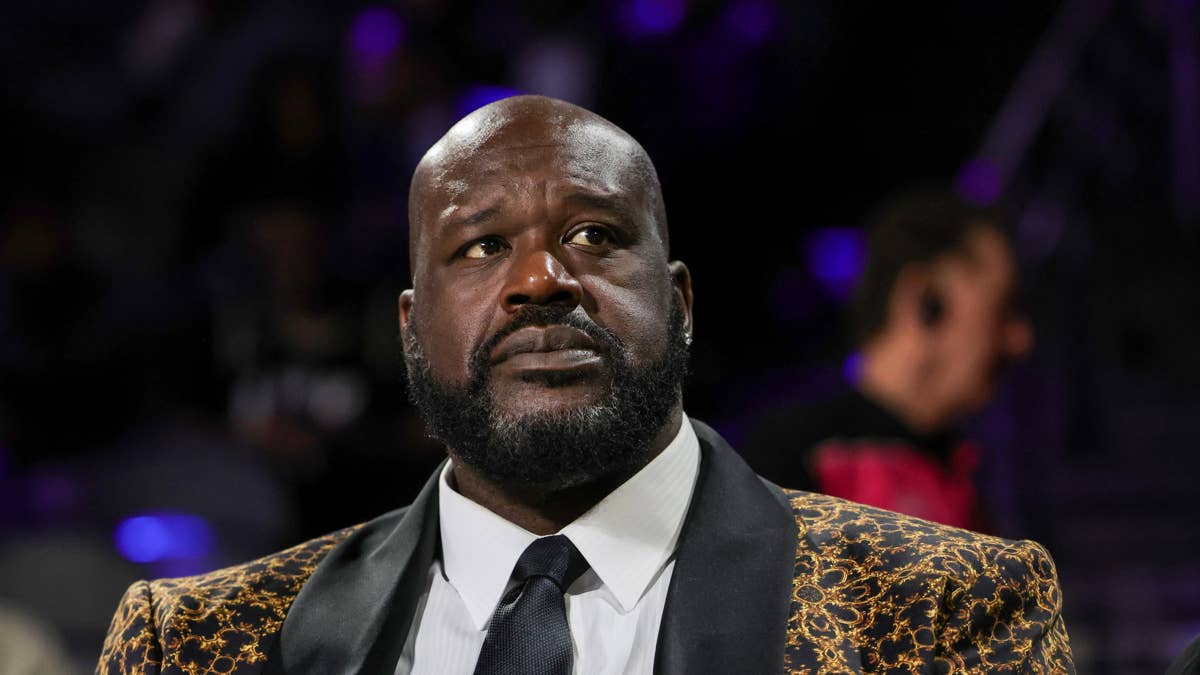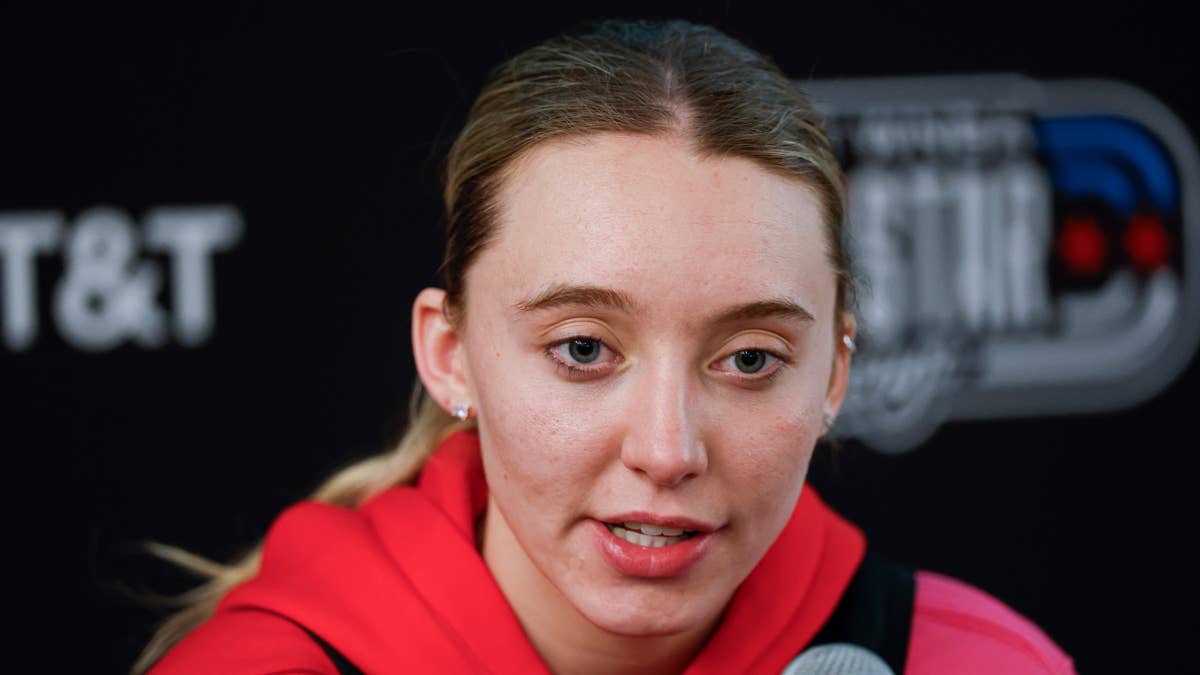
Bill Plaschke has had enough. The longtime Los Angeles Times columnist and former ESPN fixture just fired a shot across Caitlin Clark's bow, and it's not the kind of praise the Indiana Fever star is used to hearing.
In a piece that reads more like a frustrated coach's sideline lecture than a sports column, Plaschke is pleading with Clark to stop complaining and start playing. Her third WNBA season has been a rollercoaster—strong numbers, but a reputation that's taking a hit.
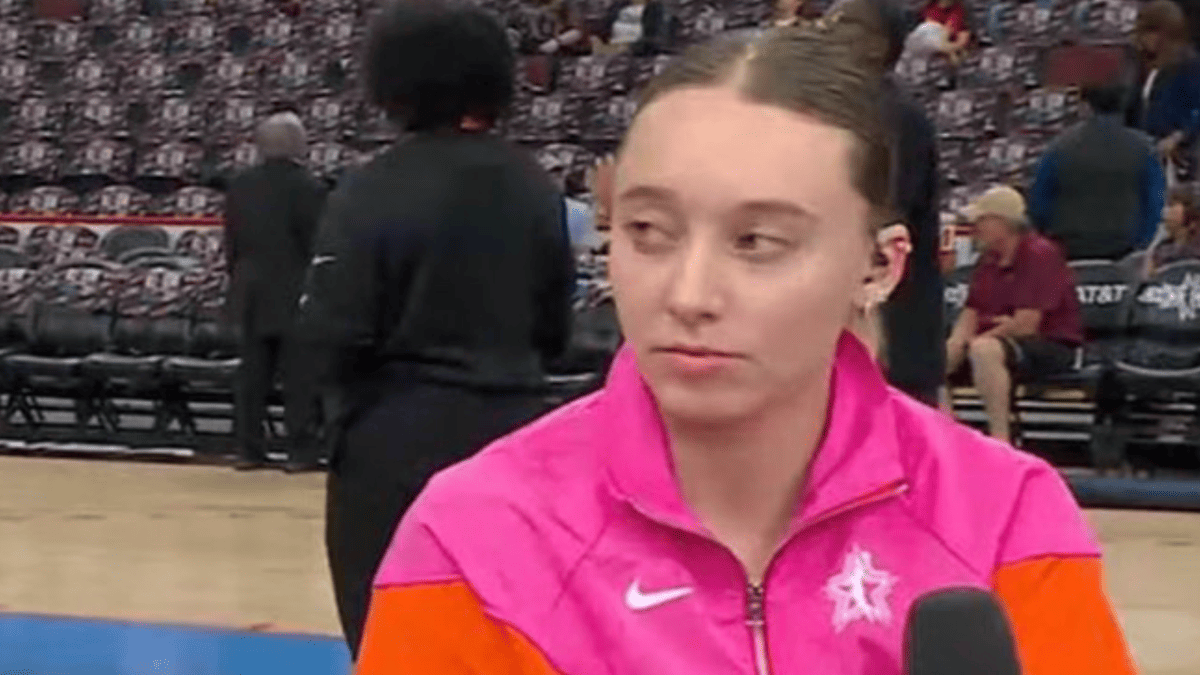
Plaschke's blunt message
“I wish Caitlin Clark would just stop whining and play,” Plaschke wrote. He didn't stop there. He called the league's biggest star “rude, entitled and, frankly, not all that fun.” Ouch.
Clark's Fever are sitting at 5-5 after a tough loss to the New York Liberty, following a win over Angel Reese and the Atlanta Dream. But it's not the record that's drawing heat—it's the constant chatter with referees and the body language that's rubbing people the wrong way.
“The once-shining superstar is acting like a spoiled brat,” Plaschke added. “The league's most popular player has become its biggest lout. Her stats are decent, but her attitude stinks.”
That's a tough label for a player who was the No. 1 overall pick in 2024 and broke viewership records. But the criticism isn't coming out of nowhere. Fans have noticed, and other columnists have called her behavior 'exhausting'.
What's behind the frustration?
Clark's game is still elite—logo threes, no-look dimes, the whole package. But the off-court drama is starting to overshadow the highlights. A recent high-five snub sparked debate, and her 'bratty' outburst after a loss to the Valkyries went viral.
Plaschke is clear about what he wants to see: “It's not too late for Clark to clean up her act and once again become the WNBA's most marketable and popular superstar—a spot currently held by the poised and professional A'ja Wilson, who has led the Las Vegas Aces to three titles.”
Can Clark turn it around?
Nobody doubts her talent. The question is whether she can dial back the attitude before it defines her career. With the Fever still in the hunt, Clark has a chance to let her game do the talking. But if she keeps arguing with officials and sulking through interviews, the narrative might be set.
Plaschke's plea is personal, pointed, and impossible to ignore. Now it's up to Clark to answer—on the court, not in the press.