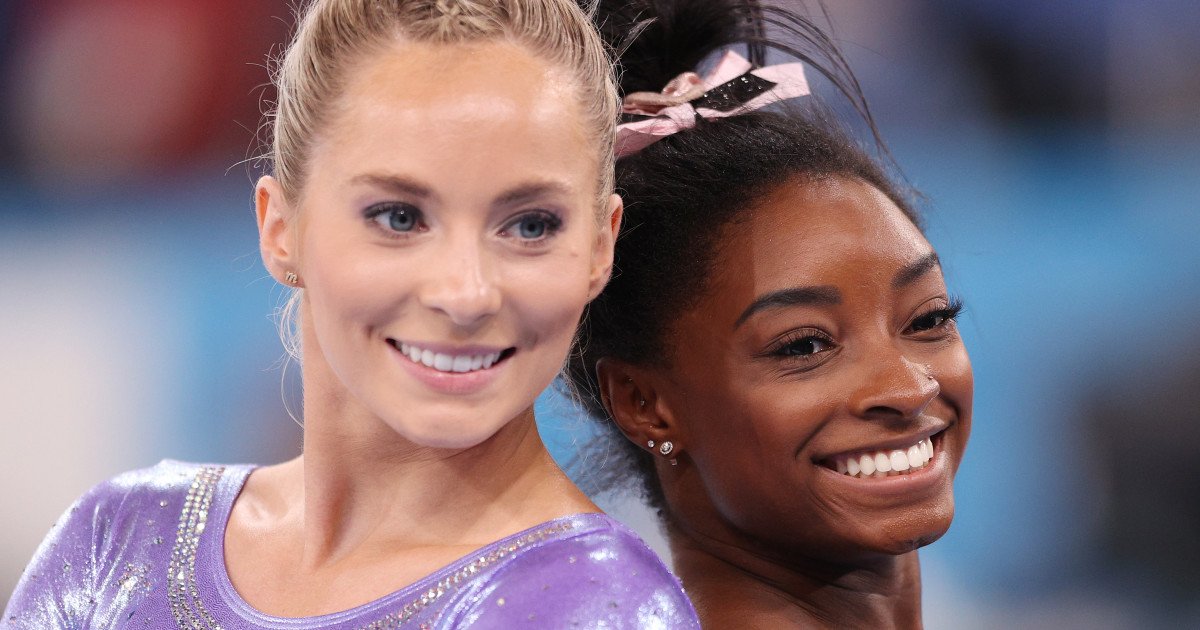
The International Olympic Committee has thrown down a gauntlet in one of sports' most heated debates, and a prominent voice from the gymnastics world is leading the cheers. Former U.S. Olympic gymnast MyKayla Skinner has publicly applauded the IOC's groundbreaking new framework, which establishes strict biological criteria for female competition.
A New Era for Women's Sports
Announced this week, the IOC's policy is designed to safeguard what it calls "fairness, safety and integrity" in women's sports. The core of the decision hinges on the SRY gene, often called the "male-determining" gene. Under the new rules, female athletes who test negative for the SRY gene will be eligible for the women's category at the Olympics. Those who screen positive will be barred from competing in female events at any IOC-sanctioned competition.

"Eligibility for any female category event at the Olympic Games or any other IOC event, including individual and team sports, is now limited to biological females," the committee stated, clarifying that the rule is not retroactive and does not apply to recreational or grassroots programs.
Skinner's Immediate Applause
The news was met with swift approval from MyKayla Skinner, the 2020 Olympic silver medalist on vault and a longtime figure in elite gymnastics. "The best news," Skinner declared in a brief but powerful statement. "About time!"
This stance is consistent with Skinner's recent advocacy. Back in June 2025, she voiced strong support for figures like swimmer Riley Gaines, who have been campaigning for what they term biological fairness in women's athletics. "Women like her are not only standing for fairness, but for the future of female athletics itself," Skinner said at the time. "She deserves support—not ridicule."
The IOC's decision arrives in the wake of significant controversy at the 2024 Paris Olympics, where Algerian boxer Imane Khelif won a gold medal. Khelif had previously disclosed in an interview with L'Equipe that she has the SRY gene, a revelation that fueled intense debate and likely influenced the timing of this new framework. This move by the IOC echoes similar tough stakes being drawn in other sports, as seen when the LPGA Faces Legal Challenge Over Transgender Eligibility Policy.
The Biles-Skinner Rivalry Adds Context
Skinner's public stance adds another layer to her well-documented, complex history with gymnastics superstar Simone Biles. The tension between the two athletes became public during the 2024 Games when Skinner questioned the U.S. team's work ethic. Biles fired back on social media with a photo of the team's gold medal victory, captioned pointedly: "lack of talent, lazy, olympic champions."
Skinner later elaborated on their strained relationship, alleging a pattern of behavior behind the scenes. "Throughout my own career, I endured being belittled, dismissed, and ostracized behind the scenes by Simone," Skinner claimed. "The pressure to stay silent was immense... But witnessing this kind of public shaming, especially from someone in a position of influence, makes that silence no longer acceptable."
She framed her current advocacy as part of a broader principle. "It’s one thing to disagree. It’s another to use your platform to bully and demean. No one should be punished for standing up for fairness and biological reality." While Biles has moved on to new ventures, like her New Chapter as NFL Partner in Indianapolis, the philosophical divide between the two champions on issues of fairness and expression remains stark.
A Defining Moment for the Games
This policy shift marks one of the most definitive stances the IOC has taken on gender eligibility, effectively drawing a hard biological line for future Olympics. It promises to reshape the landscape of international competition and will undoubtedly face scrutiny, legal challenges, and passionate debate from all sides of the issue.
The decision places athletes, fans, and governing bodies at the center of a global conversation about equality, science, and sport. As seen in other women's sports where rivalries capture headlines, from the Clark and Reese Rivalry in basketball to the fiery dynamics of gymnastics, the pursuit of fairness continues to be a powerful and divisive force. For MyKayla Skinner and her supporters, the IOC's new policy is not just a rule change—it's a vital victory for the preservation of women's sports as they define it.