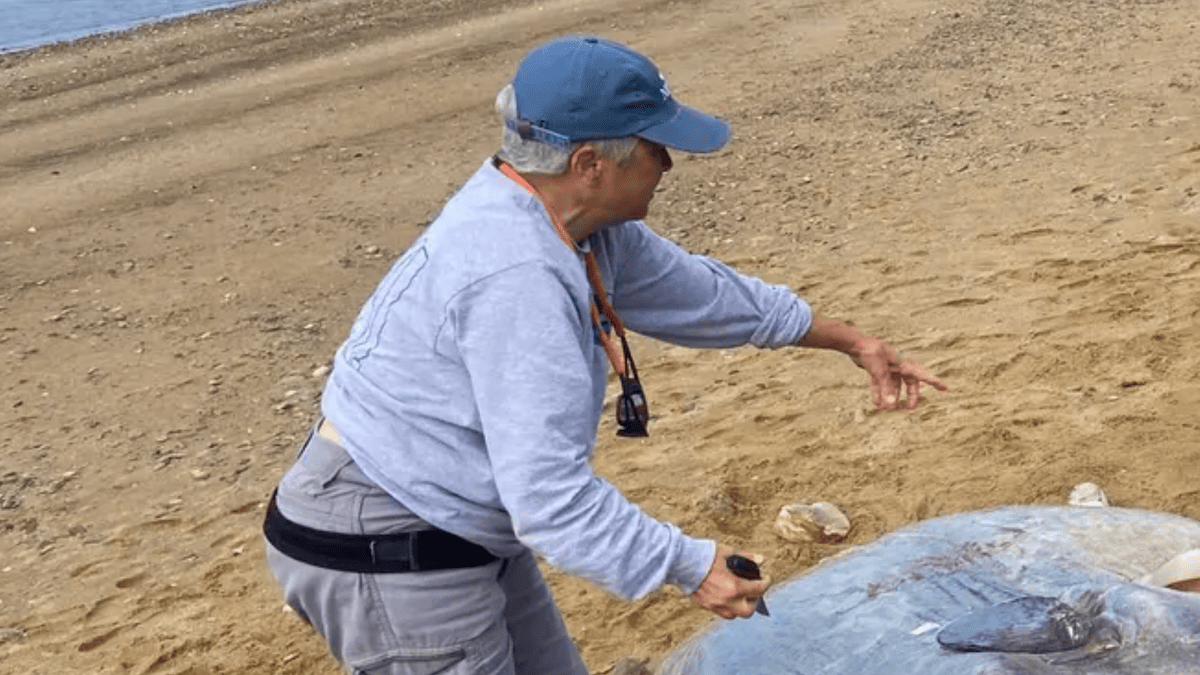
It's not every day you see a fish the size of a small car washed up on the sand. But that's exactly what happened on Cape Cod this week, when a massive ocean sunfish—estimated to weigh over 900 pounds—was discovered dead on a popular beach.
The giant creature was found stranded at the mouth of the Herring River in Wellfleet, Massachusetts, along Cape Cod Bay. The sight was both breathtaking and heartbreaking, as these majestic animals are rarely seen up close, especially in such a tragic state.

A Giant of the Deep
Ocean sunfish, also known as Mola mola, are among the largest bony fish in the world. They can grow to be over 10 feet long and weigh more than 2,000 pounds. This particular female was an adult, and her size alone was enough to draw a crowd. According to FOX Weather, her ovary alone tipped the scales at 13.2 pounds—a testament to her incredible reproductive capacity.
These fish are known for their unusual appearance, with a flattened body and a distinctive dorsal fin that can be as tall as they are long. They typically inhabit deeper waters, but during this time of year, they migrate to warmer regions. Unfortunately, this migration can be perilous.
The Perils of Migration
Ocean sunfish accustomed to the open ocean can easily be caught off guard by shallow waters and receding tides. When that happens, they can become stranded on beaches, unable to return to the sea. This is likely what happened to the massive female sunfish recovered earlier this week, as FOX Weather reported.
It's a stark reminder of the challenges these gentle giants face in the wild. While their size is impressive, it also makes them vulnerable in unfamiliar environments.
Research and Remembrance
Despite the sadness of the discovery, researchers are determined to make the most of this unfortunate event. The sunfish was recovered by the New England Coastal Wildlife Alliance (NECWA), and they are now collecting valuable data samples from the specimen.
“So sad to see that she died, but her death is not in vain,” an NECWA official said. Indeed, the data collected could provide insights into the species' health, diet, and migration patterns, helping scientists better protect them in the future.
Female sunfish are incredibly prolific, capable of producing up to 300 million eggs at once. Understanding their life cycle and the threats they face is crucial for conservation efforts.
As beachgoers continue to share photos and videos of the colossal fish, it's a reminder of the wonders of the ocean and the importance of preserving its inhabitants. For now, the sunfish's legacy will live on through the research it enables.
This discovery also sparks curiosity about other unusual marine events. For instance, the recent mysterious deaths of NYC cab drivers have raised questions, but in the natural world, such strandings are a known phenomenon. While we may not have all the answers, each event brings us closer to understanding our oceans.
So, the next time you hit the beach, keep an eye out—you never know what the tide might bring in. And if you're lucky enough to spot a sunfish, remember to admire it from a safe distance and report it to local wildlife authorities.