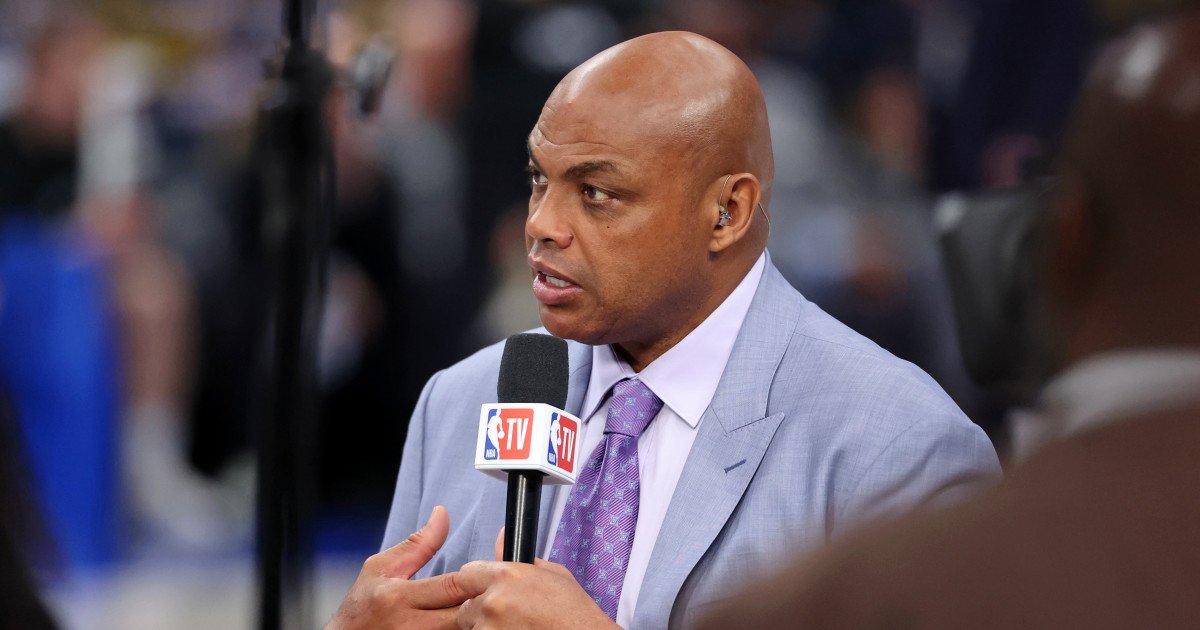
The debate over who belongs in the NCAA Tournament just got a heavy dose of Hall of Fame opinion. As the basketball world grapples with the case of the undefeated Miami (Ohio) RedHawks, Charles Barkley has stepped into the fray with his trademark blunt force, taking a definitive side against the growing chorus of skeptics.
The Perfect Record Under Fire
Miami (Ohio) finished their regular season a pristine 31-0, dominating the Mid-American Conference (MAC). Yet, that perfect mark was shattered in the MAC Tournament quarterfinals, throwing their postseason fate into chaos. Critics immediately pounced, pointing to a relatively soft schedule and questioning whether the RedHawks could compete with power-conference teams. The central question became brutal in its simplicity: Should an undefeated team from a mid-major conference get an automatic bid, or should the selection committee focus solely on the "best" teams, regardless of record?
Pearl's Provocative Stance
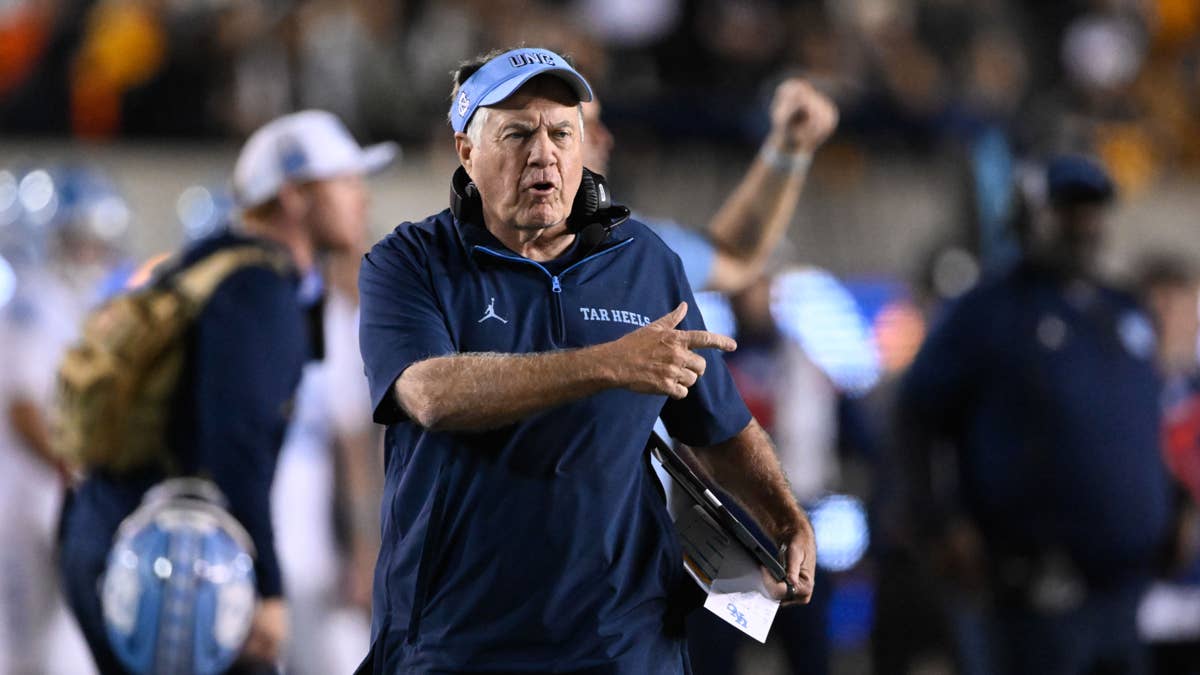
Auburn coach Bruce Pearl became the loudest voice of doubt. He framed the dilemma as a fundamental choice for the selection committee. "Are we selecting the 68 most deserving teams? Or are we going to select the 68 best teams?" Pearl argued earlier this year. "If we're selecting the 68 best teams, then Miami (Ohio) is going to have to win their tournament to qualify as a champion. Because as an at-large, they are not one of the best teams in the country." Pearl suggested the RedHawks would struggle at the bottom of a major conference, a claim that ignited fury from Miami (Ohio) Athletic Director David Sayler, who publicly blasted Pearl's comments as disrespectful.
Sir Charles Enters the Chat
While the bubble debate raged on, Barkley cut through the noise with his typical clarity. On "Inside the NBA," the former MVP made his position unmistakable: the RedHawks have earned their spot. "They deserve to get in," Barkley declared, leaving no room for interpretation. He then posed a rhetorical question that cut to the heart of the elitist argument against mid-majors: "Why is it their fault the other teams in their conference stink?"
Barkley's defense champions the principle of rewarding achievement. In his view, navigating an entire season without a loss is a monumental feat, regardless of the competition level. To dismiss a 31-0 record based on hypothetical performances against different opponents undermines the very essence of competition—winning the games on your schedule. His stance is a populist one, siding with the underdog narrative that makes March Madness so compelling.
A Clash of Philosophies
This isn't just about one team's resume; it's a collision of two competing visions for college basketball's premier event. Pearl's "best teams" model prioritizes perceived talent and potential performance against a high-level slate. Barkley's "most deserving" argument honors accomplishment and the sanctity of the win-loss column. It's a debate that surfaces every season but is amplified this year by Miami (Ohio)'s perfect run and stunning conference tournament exit.
The RedHawks' case is further complicated by their early MAC Tournament loss. Had they won the conference tournament, they'd have an automatic bid. Now, they must rely on the mercy and philosophy of the selection committee as an at-large team, with that glittering 31-0 record weighed against their weak strength of schedule.
What Happens Next?
Most bracketologists believe Miami (Ohio) will still hear their name called on Selection Sunday, likely with a modest seed. But Barkley's vocal support adds significant weight to their cause. It applies public pressure on the committee to value historic achievement and ensures the RedHawks' story remains a central talking point. Whether the committee sides with Barkley's meritocracy or Pearl's power-conference pragmatism will be one of the most revealing decisions of this bracket cycle.
One thing is certain: Barkley has never been shy about offering blunt sports opinions, and his entry into this debate guarantees it will rage all the way up to the bracket reveal. The fate of Miami (Ohio) is now more than a seeding question—it's a litmus test for what we value most in the sport.