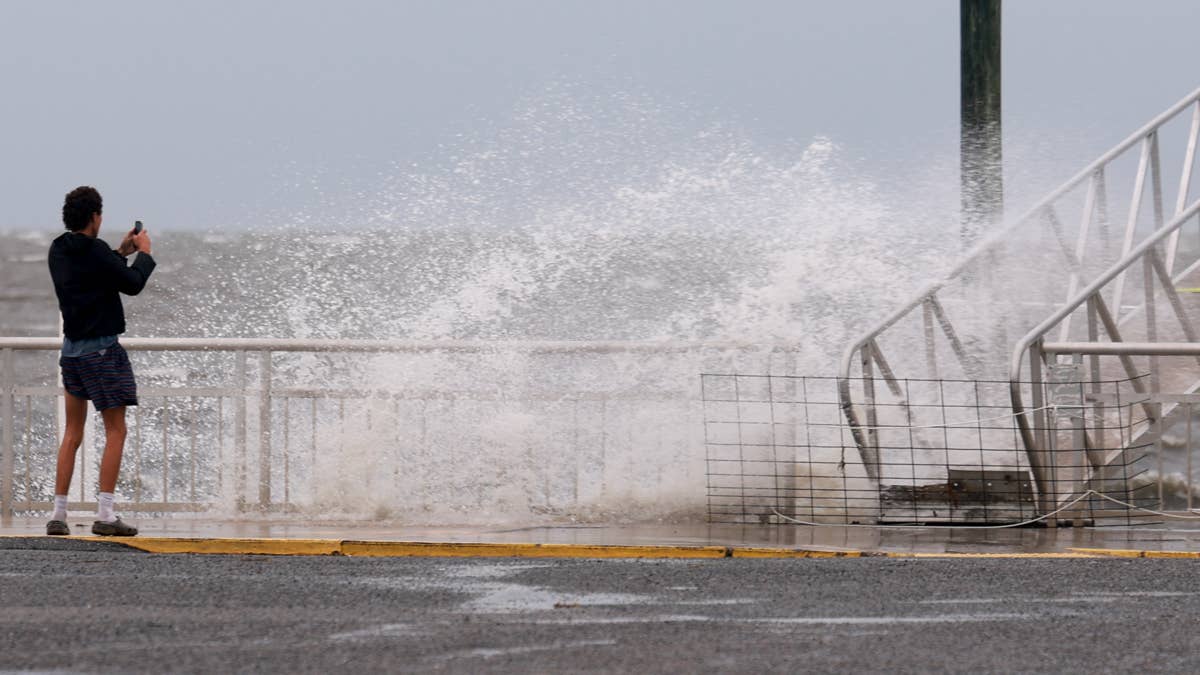
The National Weather Service has issued a hazardous seas warning for the Oregon coast, effective Tuesday, September 22. Forecasters are warning of dangerous conditions that could produce waves reaching 10 feet, prompting officials to urge boaters to stay ashore.
According to the warning, north winds of 15 to 25 knots, with gusts up to 35 knots, will generate steep to very steep seas ranging from 7 to 10 feet at intervals of 8 seconds. The hazardous seas warning covers areas south of Pistol River and extends out to 30 nautical miles from shore. All other areas are under a Small Craft Advisory.

"Recreational boaters should remain in port," the warning states. "Commercial vessels should prepare for very steep seas and consider remaining in port until conditions improve."
This alert comes as part of a broader push by U.S. officials to keep the public safe during severe weather. Just recently, officials issued a storm warning about parking under overpasses, reminding drivers that such spots can be deadly during high winds and flooding. The same caution applies here: when the sea turns angry, the safest place is on land.
For those in the affected areas, it's crucial to heed these warnings. The combination of strong winds and steep waves can quickly overwhelm even experienced mariners. The NWS advises all boaters to secure their vessels and avoid any unnecessary trips on the water until conditions improve.
Hazardous seas warnings are not uncommon along the Oregon coast, especially during the fall and winter months when storms churn up the Pacific. However, the predicted 10-foot waves are significant and should not be taken lightly. The steepness of the waves—created by the short 8-second intervals—makes them particularly dangerous, as they can cause boats to pitch and roll violently.
Local authorities are monitoring the situation and are prepared to assist if needed. They echo the NWS's advice: stay in port, stay safe, and wait for calmer conditions.
As a reminder, here's what to do when hazardous seas hit: avoid going out on the water, secure your boat, and stay tuned to local weather forecasts for updates. If you must be near the coast, be aware of high surf and potential sneaker waves.
For more information on how to stay safe during severe weather, check out our coverage of a crucial warning for football fans and other safety tips. And for those following the latest in sports, don't miss the NFLPA's stark warning to players about new CTE findings.
Stay safe, everyone.